
Data centers are becoming civic infrastructure
AI is changing where computing happens and why regional computing capacity is becoming a competitive advantage for cities.




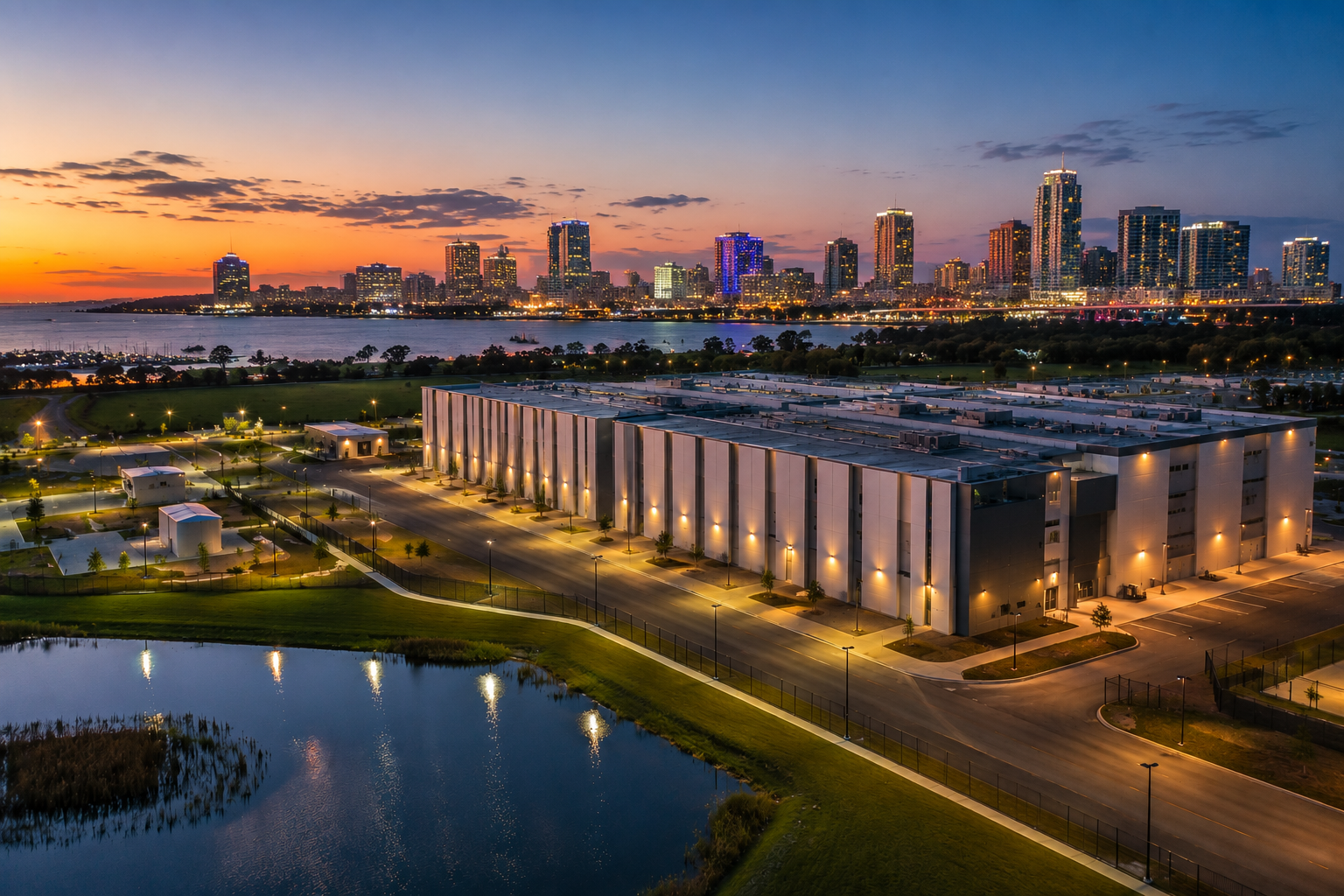
For nearly two decades, the cloud encouraged organizations to think of computing as something that could happen anywhere. Artificial intelligence is changing that assumption. As governments, hospitals, manufacturers and businesses embed AI into daily operations, more computing benefits from happening closer to the people, systems and data that rely on it.
For municipalities, proximity matters. Regional computing supports emergency operations, utilities, transportation systems, public safety and the growing collection of AI-powered services residents will increasingly expect. Communities with nearby computing capacity will be able to deploy those capabilities more efficiently than regions that depend entirely on distant cloud infrastructure.
Industry forecasts illustrate the scale of this shift. McKinsey projects global data center demand could nearly triple between 2025 and 2030 as AI workloads expand, while Deloitte estimates electricity demand from U.S. AI data centers could increase more than thirtyfold by 2035. Those investments will include hyperscale campuses that train AI models as well as regional facilities that deliver AI where people live and work.
Latency is one reason. Every AI request travels across a network before a response is returned. For real-time applications, milliseconds matter. Emergency dispatch systems, manufacturing operations and medical imaging all benefit when computing happens closer to where decisions are being made.
Resiliency is another. Florida communities understand that hurricanes, fiber cuts and regional outages can interrupt communications when they are needed most. Regional data centers cannot eliminate those risks, but they strengthen the digital ecosystem by providing nearby computing capacity that supports essential services when portions of the broader network are disrupted.
Communities may also begin thinking differently about ownership. Water treatment plants, ports, airports and electric utilities all exist because they provide broad public value, regardless of who owns or operates them. Data centers are beginning to fit into that same category. Some regions will rely entirely on private investment. Others may pursue public-private partnerships or partnerships with universities and utilities where regional computing capacity serves a broader civic purpose.
Governments, healthcare systems and financial institutions also benefit from keeping certain workloads closer to home. Security, compliance and operational requirements often influence where sensitive data is processed, creating demand for regional computing alongside national cloud platforms.
The economic implications extend well beyond technology companies. Businesses evaluating where to expand increasingly consider reliable power, fiber connectivity and nearby computing resources alongside transportation and workforce availability. Communities that strengthen those assets become more attractive for healthcare, advanced manufacturing, logistics, finance and other industries where AI is becoming part of everyday operations.
▌ A Practical Model for AI-Ready Communities
Compute
Regional AI computing capacity.
Connectivity
Reliable, high-capacity fiber.
Power
Infrastructure that supports growing demand.
Talent
A workforce prepared to deploy AI across every sector.
Regions that invest across all four areas will be better positioned to compete as AI becomes part of everyday business and government.
Public discussion around data center projects often centers on land use, aesthetics and energy consumption. Those are important considerations. They deserve to be evaluated alongside the role regional computing plays in economic competitiveness, public safety and government operations.
Communities have always invested in infrastructure that supports future growth. Roads, airports, utilities and broadband each expanded what local economies could achieve. Regional computing is becoming part of that same foundation. For Tampa Bay, building AI-ready infrastructure today will strengthen public services, attract investment and give local organizations the capacity to compete in an increasingly intelligent economy.
AICOE Series: Civic Infrastructure for the AI Economy


%2FNegative.svg)
